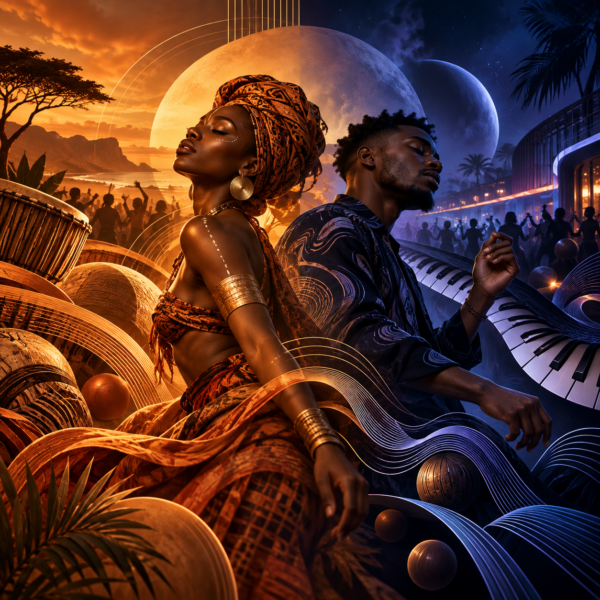
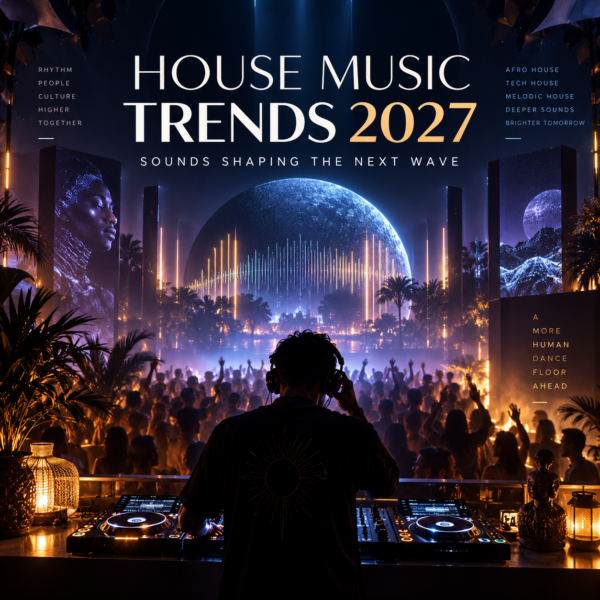
The digital revolution has reshaped the music industry like never before — transforming the ways artists produce, distribute, and connect with listeners. From home studios powered by digital tools to the global reach of streaming services and social media, technology continues to redefine what it means to make and experience music. This article dives into how the digital revolution is rewriting the rules of the music world.
Digital Music Production
The rise of digital music production tools has made it easier than ever for musicians to create high-quality recordings from the comfort of their own homes. With powerful software programs like Ableton Live, Logic Pro, and FL Studio, musicians can create complex, layered compositions that would have been impossible with traditional recording methods. This democratization of music production has opened up new opportunities for independent artists and created a more diverse music landscape.
However, digital music production has also changed the way music is created. With the ability to manipulate and edit tracks endlessly, some argue that the authenticity and raw emotion of music has been lost. Others argue that digital music production has opened up new creative possibilities and allowed artists to experiment in ways they never could before.
Streaming Services
The rise of streaming services like Spotify and Apple Music has fundamentally changed the way music is consumed. Instead of buying physical copies of albums or individual songs, fans can access millions of tracks with a few clicks of a button. While streaming has been criticized for its impact on artist compensation, it has also opened up new opportunities for exposure and discovery. Independent artists can now reach audiences around the world without the need for a major record label.
However, the dominance of streaming services has also created new challenges for the music industry. With so many tracks available, it can be difficult for independent artists to stand out from the crowd. Additionally, some worry that streaming has led to a homogenization of music, with algorithms favoring safe, easy-to-digest tracks over more challenging or experimental music.
Social Media Marketing
Social media has become an essential tool for musicians looking to promote their music and connect with fans. Platforms like Instagram, Twitter, and TikTok allow artists to share behind-the-scenes glimpses into their creative process, promote new releases, and engage with their audience in new ways. Social media has also created new revenue streams for artists, with sponsored posts and merchandise sales becoming a significant source of income.
However, social media has also created new challenges for the music industry. The pressure to constantly create new content and maintain a consistent online presence can be overwhelming for artists. Additionally, social media algorithms can be fickle, with changes in the algorithm leading to sudden drops in engagement and visibility.
Conclusion
The digital revolution has not only changed how music is made but also how it connects us. It has empowered artists to share their vision freely and given listeners unprecedented access to sounds from every corner of the world. In this new age of creativity and connection, the digital revolution stands as proof that technology and human emotion can coexist — amplifying the very soul of music.
Discover more from Silvano Dio
Subscribe to get the latest posts sent to your email.