Electronic music fusion is the blending of electronic production with other genres such as pop, hip-hop, house, techno, rock, folk, classical, Afro house, Latin rhythms or cinematic music. Instead of staying inside one fixed style, fusion uses electronic sound design as a flexible foundation for new hybrid sounds.
This genre-bending approach has become one of the most important movements in modern music. Producers are no longer limited to pure house, techno or EDM structures. They can combine organic instruments, vocal hooks, club rhythms and atmospheric textures to create music that feels both familiar and fresh.
What Does Electronic Music Fusion Mean?
Electronic music fusion means combining electronic elements — such as synths, drum machines, samples, basslines and digital sound design — with influences from other musical worlds. The result can be emotional, club-ready, cinematic, experimental or radio-friendly depending on the balance between the genres.
For example, a track might mix melodic house grooves with Mediterranean instruments, techno rhythms with cinematic strings, or pop vocals with deep electronic textures. This flexibility is what makes electronic music fusion so powerful in today’s global scene.
Breaking Down Barriers: Collaboration Breeds Innovation
The increasing popularity of electronic music fusion stems in part from a willingness of artists to experiment and break free from genre constraints. Collaborations between electronic music producers and artists from other genres foster a unique exchange of ideas. Electronic producers bring their mastery of soundscapes and rhythmic manipulation, while collaborating artists contribute their lyrical prowess, melodic sensibilities, and instrumental expertise. This creative cross-pollination leads to the birth of fresh and unexpected sounds, pushing the boundaries of both genres involved.
From Pop Anthems to Folktronica: Examples of Successful Fusions
The success of electronic music fusion is evident across the musical spectrum. The Chainsmokers’ blend of pop melodies with pulsating electronic beats has garnered them a massive global following. Grime, a genre born in the UK, seamlessly integrates elements of hip-hop and electronic music, creating a raw and energetic sound. Even traditional genres are getting the electronic treatment. Folktronica, a fusion of electronic music with traditional folk elements, has seen artists like Bon Iver and James Blake incorporate electronic textures into their music, creating a captivating blend of organic and synthetic sounds.
The Future of Electronic Music is Hybrid: A World of Possibilities
The future of electronic music is undoubtedly hybrid. As technology continues to evolve, and artists from diverse backgrounds continue to collaborate, the possibilities are endless. We can expect to see fusions with everything from classical music to Latin rhythms, creating a truly global and genre-bending soundscape.
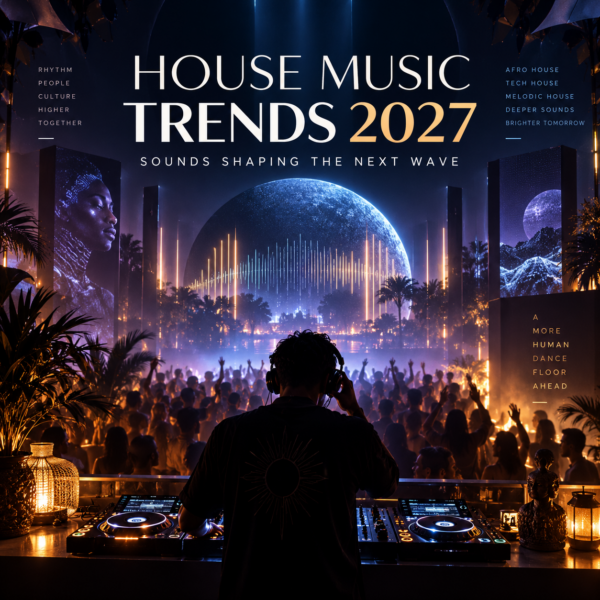
This hybrid direction also connects with broader future electronic music trends, where AI-assisted production, immersive live performances, underground influence and stronger artist identity are shaping the next phase of the scene.
Examples of Electronic Music Fusion
- Pop electronic fusion: catchy vocals, radio structure and electronic production.
- House and Afro fusion: organic percussion, warm grooves and melodic textures.
- Folktronica: acoustic or traditional instruments blended with electronic atmospheres.
- Cinematic electronic music: emotional soundscapes, tension and visual storytelling.
- Techno and industrial fusion: harder rhythms, darker textures and experimental energy.
Beyond the Electronic Music: A Reflection of Our Connected World
The rise of electronic music fusion reflects a broader trend of cultural exchange in our increasingly interconnected world. Artists from different backgrounds and cultures are collaborating more readily, blurring geographical and genre lines. This trend in electronic music is a microcosm of a larger phenomenon, highlighting the power of music to transcend borders and create a more unified global soundscape.
Further Reading on Electronic Music and Its Evolution
If you’re passionate about the ever-evolving world of electronic music, dive deeper into its roots and cultural influence through these related articles:
- The Evolution of Electronic Music: From Disco to EDM — Discover how electronic music transformed from underground disco beats into today’s global sound.
- The Impact of Electronic Music on Pop Culture — Explore how electronic rhythms are shaping films, fashion, and modern entertainment
- The Rise of Breaks and UK Sounds in Modern Electronic Music — Learn how a resurgence of breaks and UK garage-inspired sounds has been at the forefront of innovation within various electronic subgenres.
Each story reveals a different side of how electronic music continues to connect people, inspire creativity, and redefine modern sound.
As electronic music continues to evolve through collaboration and innovation, Silvano Dio stands among the artists shaping its next chapter. His productions weave together deep, emotional soundscapes and rhythmic precision — a blend where the organic meets the digital.
Recent releases such as A Trip in Malta (12:12 Records), Sax On The Beach – Ibiza Beach 2025 Remix, and The Rise of the Phoenix explore this balance — from cinematic deep house to melodic journeys inspired by travel, rebirth, and rhythm.
Based in Europe, Silvano Dio is a DJ, producer, and sound designer whose work bridges underground energy with emotional storytelling. His tracks, shaped by Mediterranean light and introspective moods, have earned a place across streaming platforms and playlists around the world.
Follow his journey and listen to more on Spotify – Beatport – Apple Music – Instagram
FAQ: Electronic Music Fusion and Genre-Bending Collaborations
What is electronic music fusion?
Electronic music fusion is the blending of electronic production with elements from other genres such as pop, hip-hop, rock, folk, jazz or world music. It creates hybrid sounds that expand the creative boundaries of modern music.
Why are genre-bending collaborations important in electronic music?
Genre-bending collaborations allow artists to combine different musical strengths, from rhythm and sound design to songwriting, vocals and live instrumentation. This often leads to more original and emotionally engaging music.
What are examples of electronic music fusion?
Examples of electronic music fusion include pop-electronic crossovers, grime, folktronica, melodic house with organic instruments, and tracks that combine club production with acoustic, cinematic or traditional influences.
Is electronic music becoming more hybrid?
Yes. Electronic music is increasingly hybrid, with more artists blending digital production, live instruments, vocals and influences from multiple cultures and genres into a single sound identity.
How does electronic music fusion reflect modern culture?
Electronic music fusion reflects a connected global culture where artists collaborate across scenes, borders and styles. It mirrors the way listeners now discover and enjoy music without strict genre limitations.
Discover more from Silvano Dio
Subscribe to get the latest posts sent to your email.