The Origins of House Music
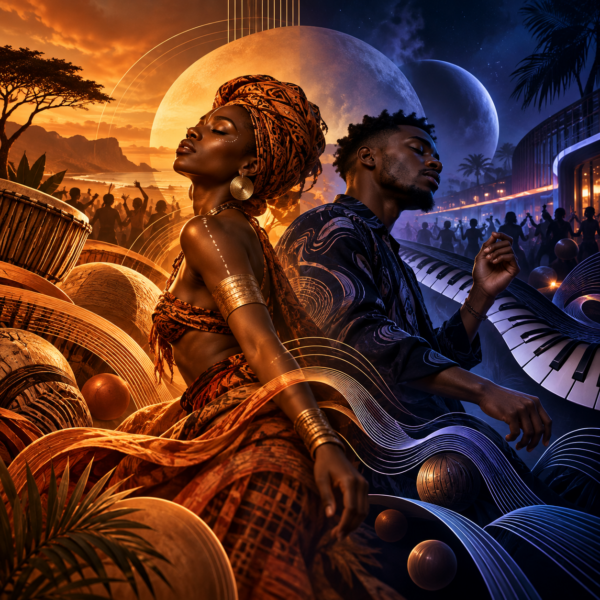
House music was born in the early 1980s from the heart of Chicago’s underground scene — a moment where freedom, rhythm, and community collided. Inside The Warehouse, a converted industrial space at 206 Jefferson Street, visionary DJs like Frankie Knuckles and Ron Hardy began blending disco, soul, and early electronic beats.
The sound they crafted was hypnotic, inclusive, and liberating. For many in the Black and Latino LGBTQ+ communities, house music became more than just a genre — it was an act of expression and belonging. The name itself came from the club: The Warehouse, or simply “house.”
The Core of the Sound
From its earliest days, house music has been built around one timeless idea: movement.
The genre’s signature four-on-the-floor beat, played by drum machines like the Roland TR-808 and TR-909, became its heartbeat.
House tracks typically run between 120 and 130 BPM, offering a perfect tempo for both groove and emotion. Common ingredients include:
- Deep, repetitive basslines that drive the energy;
- Synthesizers and vocal samples that add warmth and soul;
- A steady kick drum on every beat, creating that irresistible pulse found in every club and festival.
While digital tools have evolved, the spirit of house remains rooted in connection — uniting strangers on the dancefloor through sound.
From Chicago to the World
By the early 1990s, house music had spread far beyond Chicago. London, Paris, Berlin, and Ibiza became new epicenters for this revolution of rhythm.
In Europe, producers infused house with techno and trance elements, giving rise to new subgenres. Festivals and superclubs transformed house from an underground movement into a global cultural phenomenon.
Artists such as Daft Punk, Masters at Work, and David Morales bridged the gap between underground credibility and mainstream appeal — making house music the backbone of modern electronic culture.
Subgenres of House Music
Over the decades, house music has branched into countless styles, each expressing a different mood and tempo:
Deep House
Smooth, soulful, and introspective.
Think Larry Heard’s “Can You Feel It” — a blend of warmth and melancholy.
Progressive House
Melodic and expansive, popularized in the 1990s by artists like Eric Prydz and Sasha.
It’s cinematic, emotional, and built for long, immersive sets.
Tech House
Minimal and groove-driven — the meeting point between techno’s precision and house’s energy.
Modern acts like FISHER and Green Velvet keep this sound alive in clubs worldwide.
Tropical House
A sunny, relaxed variant made famous by Kygo, combining Balearic and dancehall influences.
Acid House
Defined by the squelchy sound of the Roland TB-303, giving rise to the UK rave era and iconic tracks like “I’ve Lost Control.”
House Music Legends
Each decade has brought visionaries who shaped the evolution of house music:
- 1980s: Frankie Knuckles, Larry Heard (Mr. Fingers)
- 1990s: Masters at Work, Daft Punk
- 2000s: Eric Prydz, Swedish House Mafia
- 2010s: Calvin Harris, Avicii
Their innovations helped house music transcend generations — a sound reborn again and again, constantly reinvented but forever familiar.
How House Music Is Made Today
Modern producers use DAWs like Ableton Live, FL Studio, and Logic Pro to build tracks from scratch — layering drum samples, synths, and vocals.
Even without hardware, sample libraries and plugins allow anyone to experiment with the signature four-on-the-floor groove.
For emerging artists like Silvano Dio, house music remains a language of emotion. Through deep harmonies, melodic textures, and immersive sound design, today’s producers continue to honor the genre’s origins while shaping its future.
The Legacy and Spirit of House Music
At its core, house music is about freedom, emotion, and unity.
It was born from marginalized communities but grew into a global movement that connects millions across dancefloors and decades.
As technology evolves, one thing stays true: house music’s heartbeat — that steady, soulful rhythm — will always remind us that we’re alive, together, and moving as one.
“It’s not just music. It’s a feeling.” — Frankie Knuckles
Discover more from Silvano Dio
Subscribe to get the latest posts sent to your email.