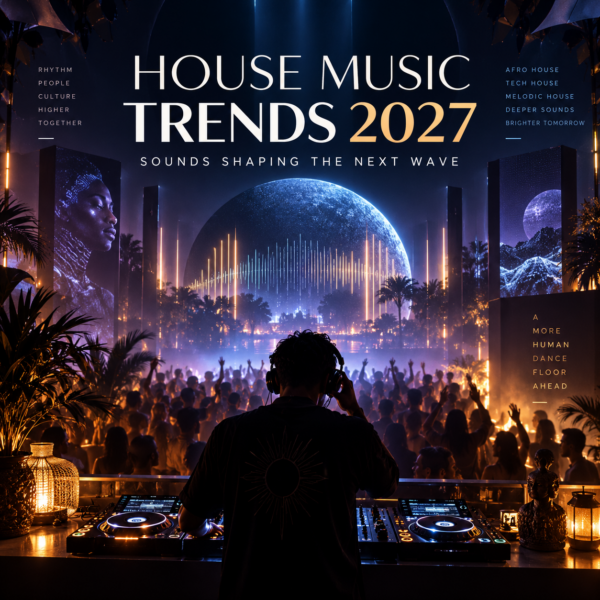
What is the impact of electronic music on pop culture? In 2026, electronic music has become one of the strongest forces shaping modern entertainment, visual culture and digital identity. Once closely associated with clubs, raves and underground scenes, it now influences the sound of films, fashion campaigns, video games, advertising, social media edits and global festivals.
Its impact goes far beyond dance music. Electronic production has changed how pop culture sounds, moves and feels — bringing rhythm, atmosphere, tension and futuristic textures into everyday media. In 2026, electronic music is not just a genre people listen to. It is one of the main creative languages behind modern visual culture, digital identity and entertainment.
If you are also interested in where the scene is heading next, you can explore these electronic music trends for 2026, which connect many of the cultural changes discussed here with the future of production, AI, live performance and independent artists.
What Is the Impact of Electronic Music on Pop Culture?
The impact of electronic music on pop culture can be seen in the way it influences mainstream pop production, film soundtracks, gaming, fashion shows, advertising, nightlife and short-form video content. Its flexible sound design allows creators to express energy, emotion, technology, luxury, rebellion or escape in only a few seconds.
Some listeners also search for this topic as the impact of electro music on pop culture. In practice, the broader term electronic music is more accurate, because it includes house, techno, EDM, ambient, synth-based pop, club music and many hybrid styles that now influence mainstream culture.
This is why electronic music has become so useful across modern culture: it creates instant atmosphere. Whether the mood is cinematic, euphoric, dark, minimal, nostalgic or futuristic, electronic sounds help define how audiences experience visual and emotional moments.
Why Electronic Music Has Become So Influential
Electronic music works especially well in modern culture because it adapts easily to different contexts. It can feel cinematic, intimate, futuristic, nostalgic, dark, euphoric or minimalist depending on the production style. That range makes it useful far beyond the dancefloor.
It also fits the pace of digital culture. Short-form videos, branded visuals, immersive events and emotionally driven content all benefit from music that creates atmosphere quickly. Electronic production is particularly effective at doing that, whether through texture, rhythm, tension or release.
This is one reason the genre keeps expanding into mainstream spaces while still remaining deeply connected to underground scenes. That balance between accessibility and experimentation is part of what gives electronic music its cultural strength.
Electronic Music in Film, Television and Visual Storytelling
One of the clearest signs of electronic music’s cultural reach is its place in visual media. In film and television, it is often used to build tension, suggest movement, intensify emotion or create a sense of modernity. A well-produced electronic score can make a scene feel larger, sharper and more immersive without overwhelming it.
This is especially true in projects that want to feel contemporary, urban, futuristic or emotionally charged. Electronic textures can support a character-driven drama just as effectively as they can elevate an action sequence or a fashion-forward visual campaign.
That crossover between sound and image is also one reason why the genre continues to influence editors, directors and content creators. It does not simply accompany visuals — it often shapes how those visuals are perceived.
How Electronic Music Shapes Fashion, Branding and Advertising
Electronic music has also become a powerful tool in branding and advertising. Brands use it because it can instantly communicate energy, elegance, movement, innovation or nightlife culture. Whether the tone is premium, minimal, bold or emotional, electronic production gives campaigns a modern sonic identity.
In fashion, especially, electronic music often acts as a bridge between image and mood. Runway videos, campaign films and launch edits regularly rely on electronic sound design because it reinforces visual rhythm and aesthetic coherence.
Advertising benefits from the same qualities. Strong electronic tracks help capture attention quickly, create memorability and support emotional positioning. In a crowded media landscape, that matters more than ever.
Electronic Music in Gaming and Digital Culture
Gaming is another major area where electronic music has shaped popular culture. Fast pacing, immersive environments and emotionally responsive soundtracks make electronic styles a natural fit for modern games. From menus and ambient design to high-intensity gameplay moments, electronic music helps create worlds that feel alive.
Its influence also extends into streaming culture, creator edits, trailers and online communities. As a result, electronic music is no longer experienced only through albums or DJ sets. It is encountered daily across platforms, often in fragmented but highly memorable ways.
This broader digital presence has helped the genre reach audiences who may not even define themselves as electronic music listeners. They still connect with its sound through the media they consume every day.
For a broader cultural context, electronic music is also documented as a major modern music movement by reference sources such as Encyclopaedia Britannica.
A Gateway to Genre Blending and New Creative Identities
Another reason electronic music has become so central to pop culture is its openness to collaboration and hybrid forms. It crosses naturally into pop, hip-hop, house, techno, ambient, indie, cinematic and experimental spaces. That makes it one of the most adaptable creative foundations in modern music.
If you want to explore that side further, see The Rise of Electronic Music Fusion and Genre-Bending Collaborations, which looks at how hybrid sounds are reshaping the current scene.
This fluidity is also what allows electronic music to remain culturally relevant. It evolves with technology, audience habits and visual culture without losing its emotional core.
Technology, AI and the Next Cultural Shift
The tools behind electronic music are also influencing how culture evolves. Production has become more accessible, more mobile and more experimental. Artists can now sketch ideas faster, test textures more freely and refine sonic identity with a level of control that was once far less accessible.
That does not mean creativity becomes less human. In many cases, it means artists can focus more on atmosphere, emotion and detail. If you want a practical look at this production-side evolution, read Best AI Tools for Music Producers.
The cultural impact of electronic music is therefore not only about finished songs. It is also about the tools, workflows and creative habits shaping what modern sound can become.
From Disco Roots to Global Influence
Electronic music did not gain this influence overnight. Its mainstream cultural power is the result of decades of evolution, from disco and synth-driven experimentation to club culture, festival movements and internet-led discovery.
For a broader historical perspective, you can also read The Evolution of Electronic Music: From Disco to EDM, which helps place today’s cultural influence in a longer timeline.
Understanding those roots makes the current moment easier to read: electronic music is not temporarily visible. It has become one of the core creative languages of contemporary culture.
Why This Influence Will Keep Growing
Electronic music continues to grow because it responds naturally to the needs of modern media. It is flexible, emotionally immediate, visually compatible and globally understandable. It can feel intimate in headphones, powerful in clubs and cinematic on screen.
That range explains why electronic music keeps appearing in so many cultural spaces at once. It is not just a genre people listen to. It is a sound-world people now associate with movement, emotion, design and identity.
As pop culture keeps evolving across platforms and formats, electronic music is likely to remain one of its strongest driving forces.
Ultimately, the impact of electronic music on pop culture is visible in the way modern audiences now connect sound with image, identity, emotion and digital experience.
To explore more articles, stories and releases from my universe, you can also visit the official Silvano Dio website.
FAQ: Electronic Music and Pop Culture
How does electronic music influence pop culture?
Electronic music influences pop culture by shaping the sound of film, advertising, gaming, fashion content, social media edits and live events. Its flexibility makes it one of the most effective genres for creating atmosphere, tension, movement and modern identity.
Why is electronic music often used in advertising and visual media?
Electronic music is widely used in advertising and visual media because it captures attention quickly and supports strong emotional positioning. It can sound modern, elegant, energetic, cinematic or immersive depending on the production style.
Is electronic music still growing in mainstream culture?
Yes. Electronic music continues to expand across mainstream culture while staying connected to underground creativity. It now appears across streaming platforms, branded content, fashion visuals, gaming, festivals and film-based storytelling.
What makes electronic music so adaptable?
Its production-based nature makes electronic music highly adaptable. It can blend with pop, hip-hop, ambient, techno, house and cinematic styles, which helps it stay relevant across different audiences and creative industries.
Where can I read more about electronic music trends?
You can explore more on the Silvano Dio music blog, including articles about the future of electronic music in 2026, genre-bending collaborations, AI tools for music producers and the evolution of electronic music from disco to EDM.
Discover more from Silvano Dio
Subscribe to get the latest posts sent to your email.