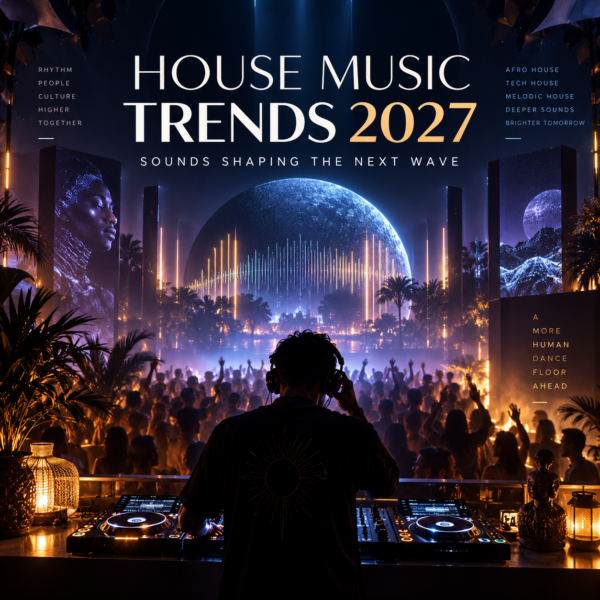
Electronic music has always been a culture of movement. It moves through clubs, cities, technology, underground scenes, and the personal stories of artists who use machines to create something deeply human.
In 2026, that movement feels especially important. The scene is no longer shaped by one dominant sound or one traditional pathway. Instead, electronic music is becoming more global, more independent, more technology-assisted, and more emotionally aware.
The wider context is strong. According to the IMS Electronic Music Business Report 2025/26, the global electronic music industry reached a value of $15.1 billion in 2025, with 7% year-on-year growth. That number matters because it shows that electronic music is not just surviving technological and cultural change. It is actively growing through it.
But the real story of electronic music trends in 2026 is not only about revenue. It is about how artists create, how listeners discover music, how global scenes influence each other, and how independent producers can build a stronger identity without waiting for a major label to open the door.
AI Is Becoming a Creative Assistant, Not the Artist
AI is one of the biggest forces shaping electronic music in 2026. Producers are using AI tools to generate ideas, separate stems, test vocal concepts, clean audio, assist with mixing, speed up mastering, and explore sound design faster than ever before.
For electronic music, this makes sense. The genre has always been connected to technology. Drum machines, samplers, synthesizers, DAWs, plugins, digital distribution, and algorithmic discovery have all changed the way electronic music is made and shared.
But there is a difference between using AI as a tool and using it as a replacement for artistic identity.
The most interesting producers in 2026 will not be the ones who let software create generic tracks for them. They will be the ones who use AI to speed up technical steps while still making emotional and creative decisions themselves. Groove, restraint, taste, atmosphere, and storytelling still depend on the human behind the track.
The IFPI Global Music Report 2026 also frames AI as a major innovation area, while emphasizing the importance of rights, licensing, and human creativity. That distinction is essential. AI can support creativity, but electronic music still needs real intention to feel alive.
For producers who want to understand this shift more practically, the guide to AI tools for music producers explores how modern creators can use technology without losing their own sound.
Global Sounds Are Reshaping Club Music
Electronic music in 2026 is becoming more global than ever. The genre is no longer mainly defined by a few historic centers like Chicago, Detroit, Berlin, London, Paris, Amsterdam, or Ibiza. Those places still matter, but new energy is coming from everywhere.
African rhythms, Latin percussion, Middle Eastern textures, Indian melodic influences, Caribbean grooves, and Mediterranean atmospheres are all entering electronic production in more natural ways. This is not just about adding “exotic” elements on top of a beat. The strongest global electronic music feels integrated, respectful, and emotionally coherent.
Afro house is one of the clearest examples of this movement, but it is not the only one. Organic house, melodic techno, progressive house, deep house, and hybrid club styles are also absorbing global influences. Percussion is becoming more expressive. Melodies are becoming more cinematic. Arrangements are becoming more atmospheric.
This is especially interesting for independent artists because global sound is no longer reserved for big collaborations or major-label campaigns. A producer can now create music from a small studio and still connect with listeners across countries, languages, and cultures.
A track like Miss You feat. Venz fits naturally into this direction. It blends emotional electronic production with a subtle cross-cultural touch, showing how collaboration can add warmth, identity, and a wider sense of movement to a release.
Independent Artists Are Building Their Own Ecosystems
One of the strongest electronic music trends in 2026 is the rise of independent artists who think beyond the single release.
Streaming is still important, but it is no longer enough on its own. A track needs context. It needs a story, a visual identity, a release page, a few strong editorial angles, playlist positioning, social content, and a place where listeners can understand the world behind the music.
Spotify’s 2025 Loud & Clear data shows that more than a third of artists who generated at least $10,000 in Spotify royalties were DIY artists or started that way, meaning they self-released through independent distributors. It also shows how international listening is becoming more important for artists, with many earning a significant share of royalties outside their home country.
For electronic producers, this confirms something important: independence is not only a backup plan anymore. It can become a real strategy.
But independence does not mean releasing randomly. The artists who will grow in 2026 are the ones who build a coherent ecosystem around their music. That means having a recognizable sound, consistent visuals, useful blog content, clear release pages, and a direct path for listeners to discover more.
This is why artist-owned platforms matter. A website is not just a portfolio. It can become a long-term discovery engine. A music blog, release pages, SEO-friendly articles, and internal linking can help tracks stay visible long after the release week has passed.
Emotion Is Becoming More Valuable Than Pure Impact
For years, parts of electronic music were driven by maximum impact: bigger drops, louder masters, shorter hooks, faster edits, and quick attention for social platforms.
That energy still exists, but 2026 is also showing a return to emotional depth.
Listeners are increasingly searching for music by mood, not only by genre. They want sunset house, emotional melodic techno, deep electronic music, warm club tracks, atmospheric house, travel-inspired music, late-night grooves, and cinematic dance music.
This shift matters because mood-based discovery favors artists with a clear emotional signature. A track does not have to be the loudest to be memorable. Sometimes, it needs to create a place in the listener’s mind.
That is one reason why Mediterranean and travel-inspired electronic music can feel so powerful. A song can become more than a beat. It can carry light, landscape, memory, and escape.
A Trip in Malta is a good example of this idea. The track connects melodic techno with a sense of place, turning travel inspiration into atmosphere. In 2026, that kind of emotional positioning may become even more valuable as listeners look for music that feels personal rather than disposable.
The Dancefloor Is Becoming More Experience-Driven
Even with streaming, AI, social media, and home listening, electronic music still depends on the dancefloor. The culture was built around shared physical experience, and that will not disappear.
What is changing is the expectation around live electronic music.
In 2026, audiences want more than a DJ pressing play on familiar tracks. They want atmosphere, identity, lighting, visuals, tension, storytelling, and a feeling that the moment could not be fully reproduced online.
This is why hybrid DJ/live sets, hardware elements, immersive visuals, curated stage identities, and smaller high-quality events are becoming more important. The future of electronic music is not only about bigger festivals. It is also about better experiences.
For artists, this creates a challenge. A strong track is still essential, but the world around the track matters too. Visuals, branding, narrative, and performance language all help an artist become more memorable.
Genre Labels Are Becoming Flexible
Electronic music fans still use genre names, but they do not always listen in strict categories.
A listener might enjoy melodic house, Afro house, progressive house, chill house, organic house, and melodic techno in the same playlist if the emotional color feels right. That makes genre boundaries more flexible.
For producers, this can be freeing. Instead of trying to fit perfectly inside one box, artists can build a recognizable atmosphere across different tempos and influences.
Still, flexibility does not mean confusion. A strong artist identity needs a thread. That thread can be melodic warmth, emotional vocals, Mediterranean textures, deep grooves, cinematic synths, or a certain way of building tension.
The broader article on the future of electronic music in 2026 explores this wider evolution of the scene. This trend-focused view shows the more practical side: genres may shift, but identity becomes more important.
Authenticity Will Matter More Because Music Is Easier to Make
Music production is becoming more accessible every year. That is a good thing. More artists can create, release, and experiment without needing expensive studios or industry permission.
But when creation becomes easier, attention becomes harder.
In 2026, the challenge is not only making music. It is making music that feels connected to a real artistic identity. With AI-generated tracks, fast distribution, and endless uploads, listeners will have even more choice. Authenticity becomes a way to stand out.
This does not mean every artist needs to reveal every detail of their life. It means the music should feel intentional. The visuals should support the sound. The story should make sense. The release should have a world around it.
Electronic music is powerful because it can be both mechanical and emotional. It can come from machines, but it should not feel empty.
What These Trends Mean for Electronic Music Artists
The biggest electronic music trends of 2026 all point in the same direction: artists need to think more deeply about identity.
AI will make production faster, but human taste will matter more. Global sounds will open new creative doors, but respect and coherence will matter more. Streaming will keep growing, but artist-owned ecosystems will matter more. Genre labels will stay useful, but emotional positioning will matter more.
For independent electronic music artists, this is a moment of opportunity. The tools are accessible. The audience is global. The scene is open to hybrid sounds. But the artists who grow will be the ones who build something recognizable, not just something available.
Electronic music in 2026 is not only about the future. It is about presence. The producers who succeed will be those who use modern tools while keeping a human pulse at the center of the sound.
To explore more stories, releases, and reflections around melodic house, emotional electronic music, and independent artistry, visit the Silvano Dio music blog.
FAQ: Electronic Music Trends 2026
What are the biggest electronic music trends in 2026?
The biggest electronic music trends in 2026 include AI-assisted production, global club influences, the rise of independent artists, more emotional sound design, immersive live experiences, and more flexible genre boundaries.
How is AI changing electronic music production?
AI is helping electronic music producers generate ideas, separate stems, test vocal concepts, improve mixing workflows, assist with mastering, and explore sound design faster. However, human taste, emotion, and artistic identity remain essential.
Is electronic music becoming more global?
Yes. Electronic music is becoming more global, with stronger influences from Africa, Latin America, India, the Middle East, the Mediterranean, and local underground scenes around the world.
Why are independent electronic music artists becoming more important?
Independent artists are becoming more important because modern distribution, streaming platforms, websites, blogs, and direct fan communication allow producers to build their own ecosystem without depending entirely on major labels.
Which electronic music genres are growing in 2026?
Melodic house, Afro house, organic house, progressive house, deep house, tech house, and melodic techno continue to grow because they combine groove, atmosphere, emotion, and global influences.
What should electronic music producers focus on in 2026?
Electronic music producers should focus on building a clear artistic identity, using AI responsibly, creating emotional tracks, developing strong visuals, telling better release stories, and connecting with listeners beyond streaming algorithms.
Discover more from Silvano Dio
Subscribe to get the latest posts sent to your email.